

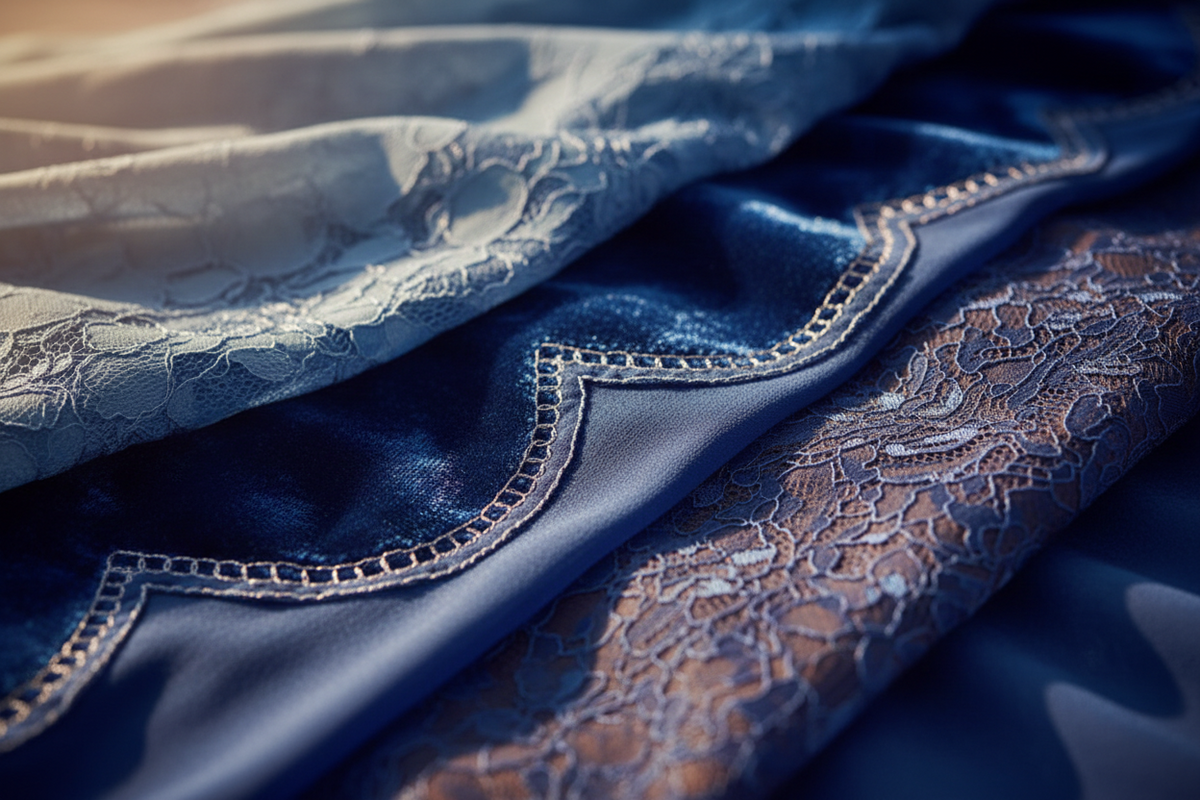
Good Fabrics Age Well, Others Stay the Exact Same
In everyone's closet lives a very old cotton garment, mostly a t-shirt, and that garment is the softest, comfiest, best sleep attire ever. Truth is, clothes rarely stay the same after repeated wear. Fabrics soften and fade over time, but some changes improve the garment while others reveal weakness in the textile itself. The way a fabric ages says a great deal about how it was made, what it contains, and how long it was designed to last for.
This conversation becomes more serious when placed alongside fashion’s environmental footprint. Fabric aging imposes a question of appearance and quality, that is true, but it is also tied to waste, chemical treatment, and the lifespan of clothing. Some textiles are designed to wear gradually while others are engineered to resist change entirely. This extreme preservation of fabrics is often achieved through synthetic coatings and chemical finishes. Added chemicals eventually transfer into our bodies and the Earth’s waterways, remaining in the environment long after the garment is discarded.

How Aging Is a Sign of Quality
It’s best to imagine natural fibers alive: they respond to physical elements such as friction, moisture and heat. Linen relaxes. Wool softens. Cotton develops texture through wear, much like all living beings, they tend to age visibly. These changes are often mistaken for deterioration when they are actually signs of adaptation. The fabric adjusts to use rather than resisting it completely.
This kind of aging creates longevity because it allows the garment to remain wearable through change. A softened linen shirt or worn cotton jacket often becomes more comfortable over time. The textile develops character instead of collapsing immediately. Many well-made fabrics rely on this relationship between wear and use. They are expected to evolve gradually. Their lifespan depends on maintenance, repair, and repeated wear rather than remaining visually unchanged forever.
“Perfect” Fabrics
Modern fashion and the consumer increasingly favor fabrics that resist visible aging. The clothing industry has implemented a misleading idea that stain-resistant finishes, wrinkle-free treatments, water repellency, and synthetic coatings signal quality. However, convenience does not always guarantee quality or high value. These treatments often depend on chemical processes that separate the fabric from natural wear patterns. The issue is that many of these finishes contain substances that remain in the environment for extremely long periods of time. Certain water-resistant and performance textiles rely on PFAS, commonly referred to as “forever chemicals,” because they do not break down easily. These materials can accumulate in water systems, soil, and even the human body.
The contradiction is difficult to ignore. Fabrics are being engineered to appear untouched by time, while the environmental effects of producing them remain long after the garment itself is discarded. In many cases, the textile ages poorly despite resisting surface wear. Synthetic-heavy fabrics can trap odor, lose structure unevenly, or develop pilling that cannot naturally release from the surface. The garment may remain visually intact while feeling increasingly artificial with use.

Clothing Designed to Be Temporary
Fast fashion accelerated this problem by shortening the expected lifespan of clothing altogether. Many garments are produced with the assumption that they will only be worn for a limited period before being replaced. Fabric quality reflects this expectation.
Lower quality synthetics often deteriorate abruptly. For example the elasticity loses recovery, and the bonded layers separate after minimal wear. These garments do not develop character through use they rather weaken. This lays the foundation of a cycle where clothing becomes disposable before it has the chance to age meaningfully. The garment exits circulation quickly, while the synthetic material itself remains in landfills for decades. The environmental impact of this production is dictated by how little time clothing is considered usable before replacement.
Learning to Read Fabric Differently
Understanding how fabrics age changes the way clothing is valued. Signs of use such as linen creases or wool softening, do not equal failure or damage. These signs create a relationship between the garment and the person wearing it. At the same time, perfectly preserved surfaces should not automatically be read as higher quality. It’s often the opposite with synthetic fabrics where the resistance to aging comes from complex chemical treatments. However, this does not mean synthetic textiles should disappear. Many serve functional purposes and support technical performance. The issue lies in overproduction and overengineering, where convenience outweighs health concerns and environmental consequences.
Good fabric care begins with observation. Paying attention to how a textile responds over time reveals far more than appearance alone. The best part is that some garments improve with wear because the material was designed to move through time alongside the wearer. Others are built to survive chemically while failing physically. Our clothes age just like we do. The difference is that some are allowed to do so naturally, while others are forced to resist it at a much larger cost.


